










Reading the fine print on AUD slot rewards
- Xuất xứ
- Bảo hành
- Đánh giá
- Phí vận chuyển
- Thông tin
- Bảng giá lắp đặt
I used to think bonus terms were written to be read. Then I spent a month mapping payout rules for a Skywind title and learned they are written to be parsed. You skim the headline, grab the fifty-dollar offer, and miss the wagering multiplier sitting in clause four. That habit costs more than a bad beat on the pokies.
You want the good bits without the traps. The trick is reading like a developer, not like a punter chasing a free spin. I still keep a Geelong reader in mind when I write these breakdowns. Someone grabbing a coffee after the Cats game, checking their phone on the train home, treating the spend like a Saturday night out rather than a second job.
What the wagering multiplier actually does
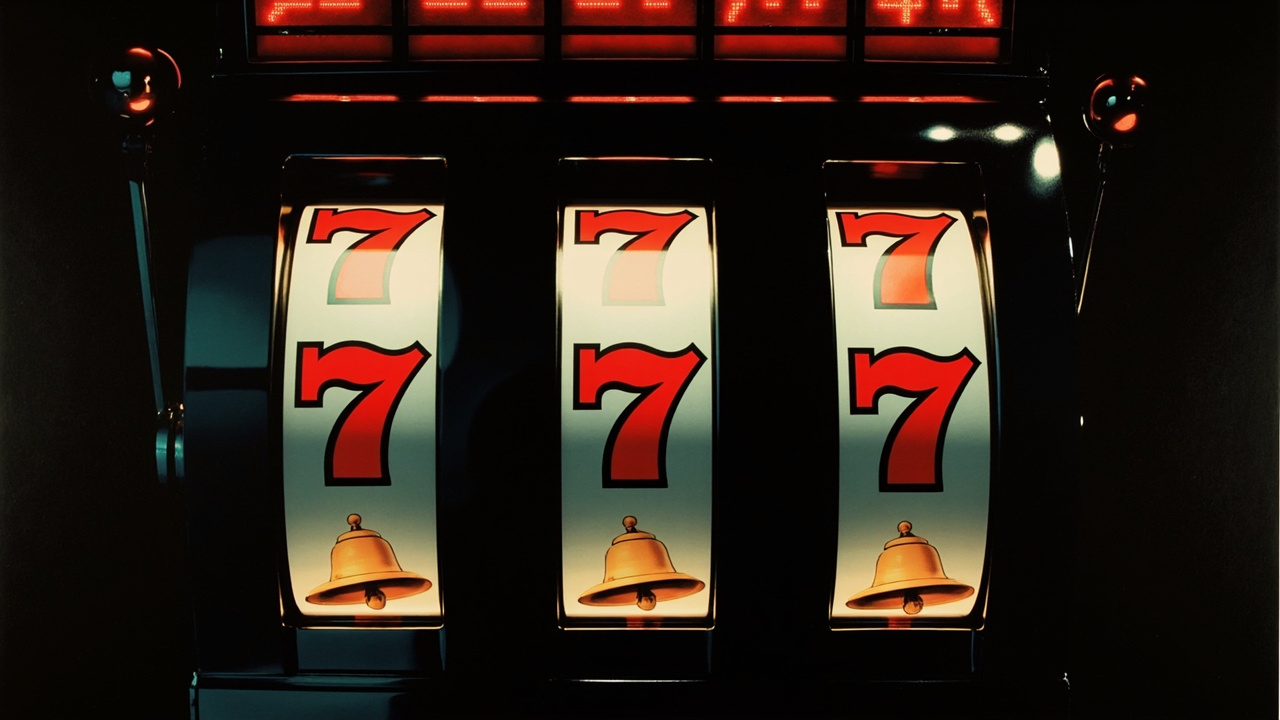
The number you see next to a bonus is a multiplier, not a gift. A thirty-times requirement on a hundred-dollar bonus means you must stake three thousand dollars in total before the remaining balance becomes withdrawable. That figure includes your deposit in most offers, so the real hurdle is higher than it looks at first glance.
Game weighting changes the maths again. A reel-spinner that counts for one hundred per cent of your stake is workable. A title that counts for ten per cent turns a quick spin into a slow grind. You can check the contribution table in the terms, usually buried under a heading like “eligible games” or “game weighting”.
When I built slot systems, I treated weighting like a filter on a signal. Low-contribution games let noise through and slow the conversion rate. High-contribution titles keep the path shorter. You do not need the full engineering background, just the habit of checking the table before you deposit.
Reading the max bet cap during play
A common clause puts a ceiling on your spin size while a bonus is active. Five cents per line is a typical cap, sometimes ten cents, sometimes higher on a low-variance title. The rule exists to stop a single high-stakes spin from clearing the requirement in one hit.
Break the cap and the operator can void the bonus and any winnings tied to it. That is the part most readers miss, because the violation feels accidental. You bump the lines up for a hot streak, forget the limitation, and the account flags you out.
The practical move is to set your spin size once, before you activate anything. Write the cap down if you have to. I keep a note on my phone for exactly this reason, right next to my match schedule for the Boxing Day Test.
How long you usually have to clear it
Time limits vary more than most players expect. Forty-eight hours is common on smaller promos. Seven days shows up on bigger packages. Some offers run even shorter, and the countdown usually starts the moment the bonus lands, not when you first log in.
Miss the window and the bonus evaporates, often with any associated winnings. Some operators let you convert the remaining bonus into cash at a reduced rate, others just remove it. The difference matters, so scan for the expiry clause before you take the offer.
You can treat the deadline like a train timetable out of Geelong. You do not board at the last minute and hope for the best. You check the departure time, plan the trip, and leave room for a delay.
Which games count and which do not
Not every reel-spinner pulls equal weight. Table games, live dealer titles, and some instant-win games often sit at zero or near-zero contribution. Even within the pokies, two games can count differently, which is why a blanket “all games included” line is never the full story.
The contribution percentage is the number to chase. A hundred per cent game clears the requirement at face value. A fifty per cent game takes twice the stake to do the same work. A ten per cent game turns a quick session into a long one.
I judge a bonus by its worst-case game, not its best one. If the table lists a ten per cent title and you like playing it, the offer is slower for you specifically. That is a personal trade-off, not a general one.
Deposit match versus free spins, what changes
A deposit match gives you extra cash tied to a wagering requirement. A free spin package gives you set spins, often on one named game, with winnings that may carry their own separate requirement. The two are not interchangeable, even when they arrive in the same email.
Free spins usually pay out as bonus credit, not cash, unless the terms say otherwise. That credit then inherits a wagering rule of its own. A hundred dollars of spin winnings can sit behind a thirty-times hurdle before you can touch it.
The smart read is to separate the two parts in your head. Match money is one problem. Spin winnings are another. Treat them as separate line items on the same receipt. jammin jars slot Theurbanlist
The withdrawal and verification queue
Cash-out rules often sit at the end of the document, which is exactly why they get skipped. Some offers require you to meet the wagering before any withdrawal. Others let you withdraw part of your deposit while the bonus is still active, which then cancels the remaining bonus.
Verification is separate from the bonus maths and just as important. Operators usually ask for ID, proof of address, and sometimes a payment method check before the first payout. That queue can take a day or two, sometimes longer if a document is unclear.
Plan for the queue the way you plan a trip home after a long session at the Geelong East waterfront. You do not assume the ride is instant. You check the route, allow time, and keep your documents handy.
A plain-English decoder for the terms
You do not need a law degree to read these clauses. You need a method. The method is simple: find the requirement, find the cap, find the expiry, find the game weighting, then decide whether the numbers work for the way you actually play.
I use the same pass I used for Skywind content reviews, just with different numbers. First scan for the multiplier. Then scan for the max bet. Then scan for the time limit. Then scan for the eligible games. Anything that changes your stake or your timeline gets flagged.
A short checklist helps, especially on a phone screen where the document keeps jumping around. The steps below are the ones I run before I accept any offer.
- Find the wagering multiplier and write it down before you deposit anything.
- Check whether your deposit counts toward the total stake or only the bonus amount.
- Look for the max bet per spin while the bonus is active and set your lines to stay under it.
- Confirm the expiry window and set a reminder on your phone for the day before it closes.
- Open the game weighting table and note any title that counts below one hundred per cent.
- Read the withdrawal clause to see whether cashing out cancels the remaining bonus.
- Check the verification requirements so the first payout does not stall on paperwork.
What happens after you meet the requirement
Once the wagering is cleared, the remaining bonus usually turns into real credit. Some offers convert automatically, some wait for a request, and some convert only the bonus portion while leaving your deposit available earlier. The exact behaviour is in the terms, not in the promo banner.
After conversion, normal withdrawal rules apply. That means the usual verification step, the usual processing time, and the usual limits on how much you can move in a single request. Nothing about the bonus changes the underlying payout process once it is gone.
The scene I picture is a quiet evening after a Geelong crowd has headed home. You are on the couch, the phone is face down, and the balance you actually own is sitting there without a multiplier hanging over it. That is the moment the fine print stops mattering and the entertainment spend becomes just that.
Spotting the clause that changes everything
Every document has one clause that shifts the whole offer. For some players it is the max bet. For others it is the game weighting. For me it is usually the expiry, because time is the one thing I cannot stretch by staking slower.
Read for the clause that conflicts with your habits, not the one that looks worst on paper. If you play short sessions, a forty-eight-hour window is brutal. If you chase high-variance titles, a five-cent cap will frustrate you. The mismatch is where the offer stops fitting the player.
When I compare two offers, I line up the clauses side by side and judge the gap, not the headline. A smaller bonus with a fair cap and a sensible window can beat a larger bonus that quietly fights the way you play. The judgement is personal, and it should be.