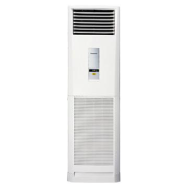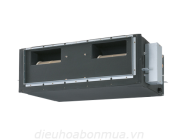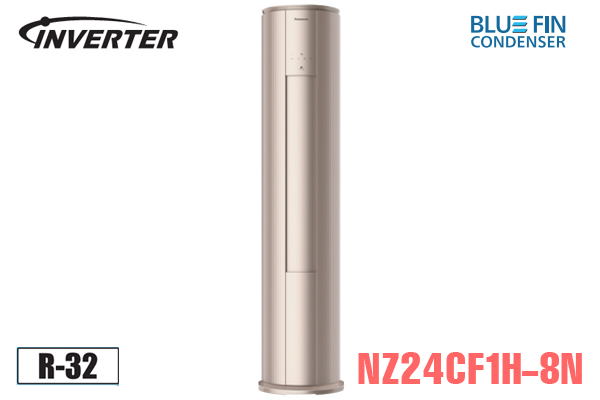









Điều hòa Panasonic xuất xứ chính hãng Malaysia, thương hiệu hàng đầu tại Nhật Bản. Thương hiệu điều hòa dân dụng bán tốt nhất trên thị trường.
Kiểu dáng sạng trọng, bắt mắt, thiết kế đẳng cấp, tiện nghi mang đến sự hài lòng tuyệt đối cho người sử dụng
Máy điều hòa không khí Panasonic thương hiệu hàng đầu Nhật Bản.
Điều hòa nhiệt độ Panasonic chính hãng: Xuất xứ Malaysia – Bảo hành: 12 tháng, máy nén bảo hành 7 năm (chỉ áp dụng đối với Đại lý được cấp chứng nhận lắp đặt đạt chuẩn Panasonic)
Panasonic chính thức giới thiệu dòng sản phẩm máy một chiều và 2 chiều inverter cao cấp SKYSERIES mới nhất năm 2024 với 2 Model YZ9AKH-8 / YZ12AKH-8 / YZ18AKH-8B và RU9AKH-8, RU12AKH-8, RU18AKH-8, RU24AKH-8 …
Điểm nhấn của dòng máy điều hòa Panasonic SKY SERIES: cửa gió SKYWING, làm lạnh tản nhiệt, cảm biến bụi, và làm lạnh nhanh nhanh hơn 35% so với sản phẩm trước đây…
How Live Dealer Technology Reshaped Canadian Online Casinos, Explored at Casizoids
The Canadian online gambling market has undergone a fundamental structural shift over the past decade, and much of that transformation can be traced directly to the maturation of live dealer technology. What began as a rudimentary attempt to replicate the atmosphere of a brick-and-mortar casino through streaming video has evolved into a sophisticated, regulated, and deeply integrated component of how Canadians engage with online gaming platforms. Understanding this evolution requires looking at both the technical infrastructure behind live dealer systems and the regulatory landscape that has shaped their adoption across Canadian provinces.
The Technical Evolution Behind Live Dealer Studios
Live dealer gaming first appeared in a recognizable form around 2006, when companies like Evolution Gaming — founded in Riga, Latvia — began building dedicated studio environments designed specifically for broadcast-quality casino streaming. Early iterations suffered from significant latency issues, poor video compression, and limited interactivity. The technology at the time could not reliably handle the dual demands of real-time card dealing and simultaneous player interaction across multiple connections. Canadian players, like those elsewhere, were largely skeptical of the format during this initial period.
The turning point came between 2012 and 2016, when broadband penetration in Canada reached levels sufficient to support stable high-definition video streams for a large proportion of the population. According to the Canadian Radio-television and Telecommunications Commission, household broadband adoption exceeded 85 percent by 2015, which directly expanded the viable audience for live dealer platforms. Simultaneously, software developers invested heavily in optical character recognition systems, multi-camera switching technology, and game control units — specialized hardware that translates physical game outcomes such as roulette wheel positions or card values into digital data readable by the casino platform in real time.
By 2018, studios operated by Evolution Gaming and its competitors Playtech and Ezugi had begun offering dedicated tables branded for specific operators, allowing Canadian-facing casinos to present live dealer environments that felt proprietary even when the underlying infrastructure was shared. This white-label studio model dramatically lowered the barrier to entry for mid-sized operators who could not afford to build and staff their own physical studios.
Provincial Regulation and Its Influence on Live Dealer Adoption
Canada’s approach to online gambling regulation is decentralized, with each province holding authority over gaming within its borders. This has created an uneven but instructive landscape for understanding how live dealer technology spread. Ontario’s launch of its iGaming regulatory framework in April 2022 through iGaming Ontario — a subsidiary of the Alcohol and Gaming Commission of Ontario — represented the most significant structural development in Canadian online casino regulation in recent memory. For the first time, private operators could legally offer online casino products to Ontario residents under a provincially sanctioned licensing arrangement, rather than operating through grey-market or offshore licensing structures.
The Ontario framework explicitly accommodated live dealer products, provided they met technical standards around game integrity, random number generation oversight, and responsible gambling disclosures. This regulatory clarity had an immediate commercial effect: dozens of operators applied for registration in the first year, and live dealer tables became a standard feature of virtually every compliant platform. The competitive pressure to offer live dealer content as a baseline expectation, rather than a premium feature, accelerated product development and drove down the cost of licensing studio content for operators.
Quebec and British Columbia continue to operate through their respective provincial lottery corporations — Loto-Québec and BCLC — which maintain monopolies on provincially sanctioned online gambling. Both organizations have incorporated live dealer games into their platforms, though with a more conservative pace of feature expansion compared to the private operators now active in Ontario. The contrast between these models offers a useful case study in how regulatory structure directly shapes the speed and scope of technological adoption within a market.
Player Behavior and the Shift in Engagement Patterns
The introduction of live dealer games did not simply add a new product category — it measurably altered how Canadian players allocate their time and spending within online casino environments. Data from the Responsible Gambling Council’s annual surveys, as well as operator-level disclosures made available through Ontario’s transparency requirements, suggest that live dealer sessions tend to be longer in average duration than equivalent sessions on RNG-based table games. The social dimension introduced by a human dealer and, in many implementations, a live chat interface with other players appears to sustain engagement in ways that purely algorithmic games do not.
This behavioral pattern has had downstream effects on platform design. Operators have restructured their lobby architectures to feature live dealer sections prominently, and software developers have responded by creating hybrid formats — such as live game shows like Crazy Time, launched by Evolution Gaming in 2019 — that blend the entertainment logic of broadcast television with the mechanics of casino wagering. These formats have proven particularly effective at attracting players who might not have previously engaged with traditional table games like baccarat or blackjack.
Research into Canadian gambling behavior published in the Journal of Gambling Studies has also noted a demographic shift associated with live dealer adoption, with younger adult players — particularly those in the 25 to 34 age bracket — showing higher rates of preference for live formats compared to older cohorts. This generational pattern has significant implications for how platforms position themselves over the next decade, as the player base continues to evolve.
How Industry Resources Are Tracking These Developments
As the live dealer sector has grown in complexity, so has the infrastructure of independent analysis and player-facing information resources that attempt to document it accurately. Platforms that catalog and review Canadian-accessible online casinos have had to adapt their evaluation frameworks substantially, moving beyond simple assessments of game variety or bonus structures to include criteria like studio quality, dealer training standards, streaming stability across different network conditions, and the availability of French-language dealers for Quebec-based players. The site www.casizoid.org, for example, maintains updated coverage of live dealer offerings available to Canadian players, including details on which studios supply content to which operators — a level of specificity that reflects how technically granular the conversation around live dealer gaming has become.
The need for this kind of detailed, operator-specific information reflects a broader maturation in how Canadian players approach platform selection. The days when a generic list of available games was sufficient to inform a player’s decision are largely over. Players now ask questions about latency performance, peak-hour table availability, minimum betting thresholds on live tables, and whether a platform’s live dealer license covers the same jurisdictional scope as its RNG game license — a distinction that matters in Ontario’s regulatory environment, where each product category may require separate certification.
Casizoid has been among the resources attempting to translate this regulatory and technical complexity into accessible information for everyday players, which reflects a genuine market need as the Canadian online casino environment has grown more sophisticated and, in Ontario at least, more formally regulated than at any previous point in its history.
The trajectory of live dealer technology in Canadian online casinos is not simply a story about better video quality or more game variety. It is a story about how a specific technological capability intersected with a particular regulatory moment — Ontario’s 2022 market opening — to produce a rapid and durable shift in what Canadian players expect from online gambling platforms. The studios in Riga and Malta that supply content to Canadian-facing operators are now as consequential to the Canadian gambling landscape as the provincial lottery corporations that once defined it entirely. That structural reality, more than any individual product or platform, defines where the market stands today and where it is likely to continue moving in the years ahead.